Planning A Custom Home In The Meadows And Buckhorn Ridge
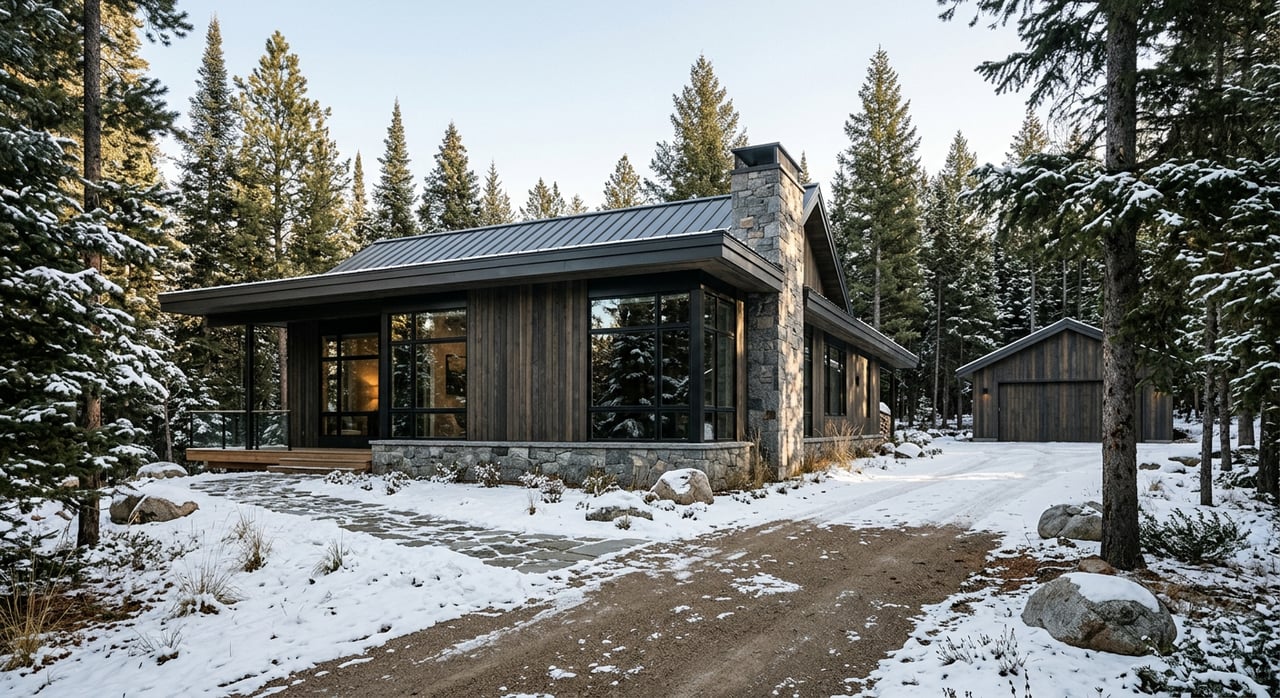
Ever picture a long driveway that opens to your own forested retreat, then wonder what it actually takes to build it in Truckee? If you are eyeing acreage in The Meadows or Buckhorn Ridge, you are in the right place. Building a custom home here is rewarding, but success starts with clear due diligence on utilities, permitting, and site conditions. In this guide, you will learn the key steps, timelines, and checkpoints to move from dream parcel to move‑in day with confidence. Let’s dive in.
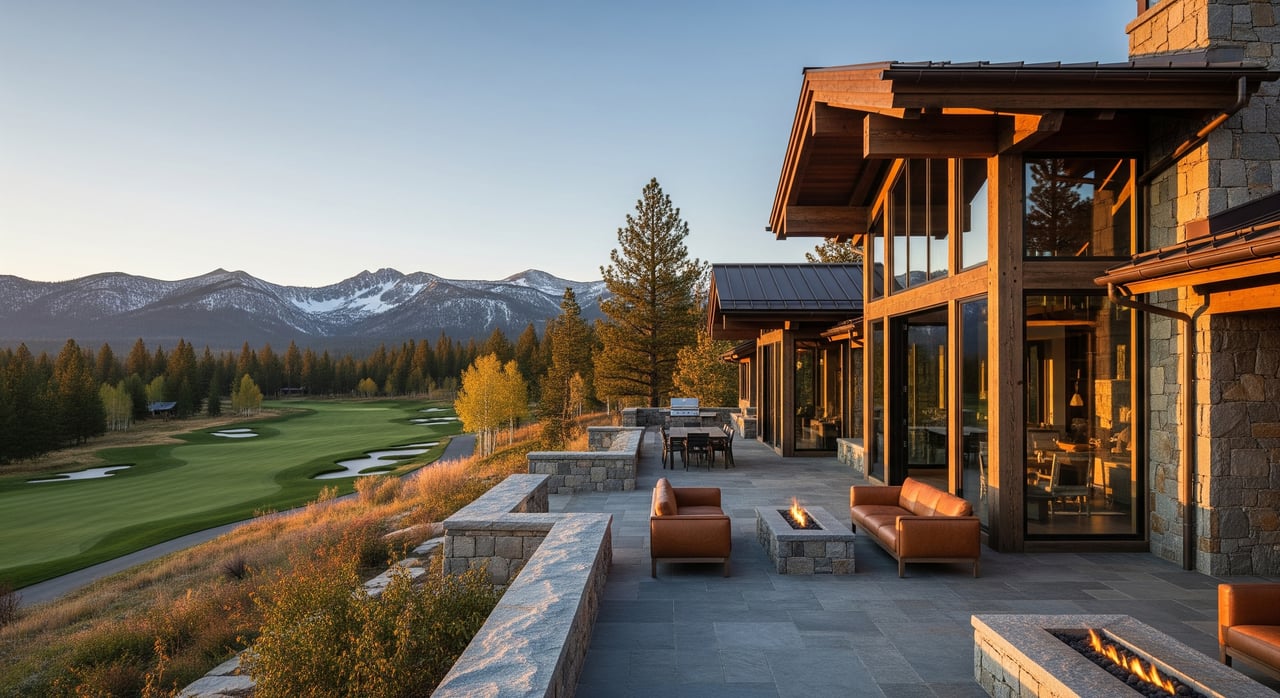
The Meadows and Buckhorn Ridge are gated neighborhoods within the larger Glenshire area east of downtown Truckee. You are about 5 to 7 miles from historic Truckee with quick access to I‑80 and nearby reservoirs. Parcels commonly run in the multi‑acre range suited to private estates. For an overview of neighborhood character and lifestyle, review the local description of The Meadows and Buckhorn Ridge.
On acreage here, you should expect a rural utility pattern. Many parcels rely on private wells for water and on‑site wastewater systems for septic, with electric service available through the local utility at or near the road. Confirm the specifics for any parcel with Truckee‑Donner Public Utility District (TDPUD) and Nevada County early in your research. TDPUD’s service territory map shows Glenshire in the district’s electric area.
Before you fall in love with a view, validate the site’s buildability. These early checks help you avoid costly redesigns later and can guide where your building envelope, driveway, and outbuildings make the most sense.
Slope, rock, and drainage drive your grading costs and foundation type. Nevada County often requires a soils or geotechnical report for new residences, so plan for that in your budget and timeline. Walk the land in multiple seasons to understand winter snow storage and spring runoff. Use the county’s Zoning District Maps to review site overlays and resource constraints.
Most acreage parcels in these neighborhoods use a private well and on‑site wastewater system. Nevada County Environmental Health requires a site evaluation, percolation testing, and an approved septic design before the county will issue your building permit. Start early with percolation tests and a septic designer so your home and leach field can be sited together. The county’s Environmental Health Document Library includes OWTS forms, design guidance, and well resources.
If a creek, wetland, or mapped floodplain touches your parcel, you will need to follow county buffers and non‑disturbance zones. A common buffer near floodplains is one hundred feet, depending on the resource and mapping. Check FEMA and county maps early so you can position your home and any outbuildings correctly. Start with the county’s Zoning District Maps and “My Neighborhood” tools.
Parcels around Truckee are often in High or Very High fire‑hazard zones. This affects materials, ember‑resistant construction details, and required defensible space. Factor these requirements into your design at the start to avoid late plan changes. Stay current on local programs through Nevada County’s Fire Hazard Severity Zones page and the Truckee Fire Protection District’s wildfire readiness guidance.
Many homes here sit on gated, privately maintained roads. Confirm who manages snow removal, what you will pay, and how gate access works for construction. Hirschdale Hill can feel steep in winter, so evaluate approach routes and plowing realities. For local context on the gated layout and access norms, see the overview of The Meadows community.
Knowing how utilities connect on acreage will help you organize design decisions and budgets.
TDPUD serves this area for electricity. Confirm service at the parcel, meter locations, and any extension or transformer upgrades during due diligence. Long driveways can add trenching distance and cost. Reference the district’s service territory map and coordinate early with TDPUD for capacity and connection requirements.
Expect a private well or a small community system on most acreage parcels. Well yield and quality are site specific. Drilling or testing is often part of early feasibility. The county’s Environmental Health Document Library includes well permit applications, a Well Owner Guide, and well yield guidelines.
Nevada County requires an approved septic design before you can build. On steep, rocky, or shallow soils, engineered or pressure‑dose systems are common and usually cost more than a conventional leach field. Schedule percolation testing early so your design team can site the home, leach field, and reserve area correctly. Find OWTS guidance and forms in the Environmental Health Document Library.
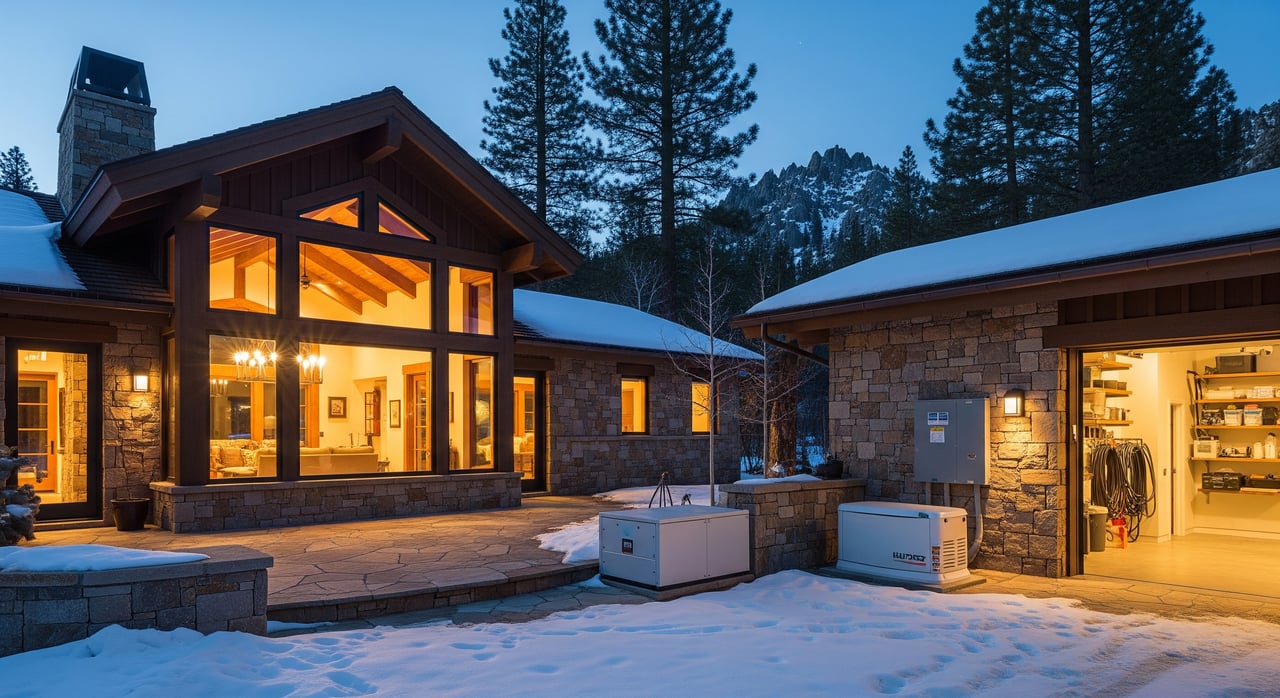
Natural gas is not always available in rural Truckee neighborhoods. Many owners choose propane, along with a standby generator or solar plus battery for winter resilience. Plan for tank siting, ownership or leasing, and clearances as part of your site plan.
Connectivity is mixed on acreage. Some areas see cable or fiber, while others use fixed wireless or satellite. Confirm service levels during your site visit and plan conduit routes with your utility trench.
Local market descriptions often note horse‑friendly conditions in Truckee’s rural zones. The county’s animal rules allow wide latitude in agricultural and forested zones, though recorded CC&Rs and HOA rules can add restrictions on fencing, lighting, and manure management. For a neighborhood snapshot, review our page on The Meadows and Buckhorn Ridge, then confirm any parcel’s recorded CC&Rs before you buy.
Barns, workshops, and arenas are generally allowed as accessory uses in rural zones, with standard setbacks and building permits. If you plan staff quarters or a guest unit, coordinate septic and water needs early. Accessory dwelling units (ADUs) are often allowed ministerially, but OWTS requirements still apply when there is no public sewer. Start with the Nevada County Planning Department for ADU and accessory structure standards.
A clear roadmap keeps your project on track. Here is a high‑level sequence many acreage buyers follow.
Pre‑purchase due diligence. Verify zoning, overlays, and resource areas with the county’s Zoning District Maps. Request recorded CC&Rs, plats, and HOA rules from the seller or county sources.
Early technical feasibility. Order percolation testing and a septic site evaluation, confirm well feasibility or existing well yield, and schedule a geotechnical scoping visit. Use the Environmental Health Document Library for required forms and designer lists.
Design and engineering. Engage an architect and civil or structural engineer for site plan, grading, septic design, and utility coordination. Incorporate Truckee Fire home‑hardening and defensible space standards using their wildfire readiness guidance.
Permitting. Submit building, grading, and environmental health applications to the Nevada County Planning Department. Expect multi‑department review that includes Planning, Building, Environmental Health, and Fire.
Construction and inspections. After permits issue, you will complete site prep, foundations, framing, systems, finishes, and final inspections. Allow weather and supply contingencies, especially for winter.
Use this simple list to turn interest into action when you spot a promising parcel.
Ready to align your wish list with a buildable parcel and a clear plan? Schedule a Free Strategy Session with Tilly Mezger Tahoe Truckee Real Estate Group. Our team helps you evaluate land, connect with the right local pros, and position your project for a smooth path from offer to keys.


What Lower Rates & Rising Inventory Mean for Tahoe–Truckee Buyers and Sellers
We are a renowned real estate team dedicated to providing exceptional service and unparalleled excellence in representing Lake Tahoe properties. Our foundation is built on expertise, unwavering commitment, and a focus on client satisfaction.