Your Sweetbriar Fractional Ownership Guide for Lake Tahoe
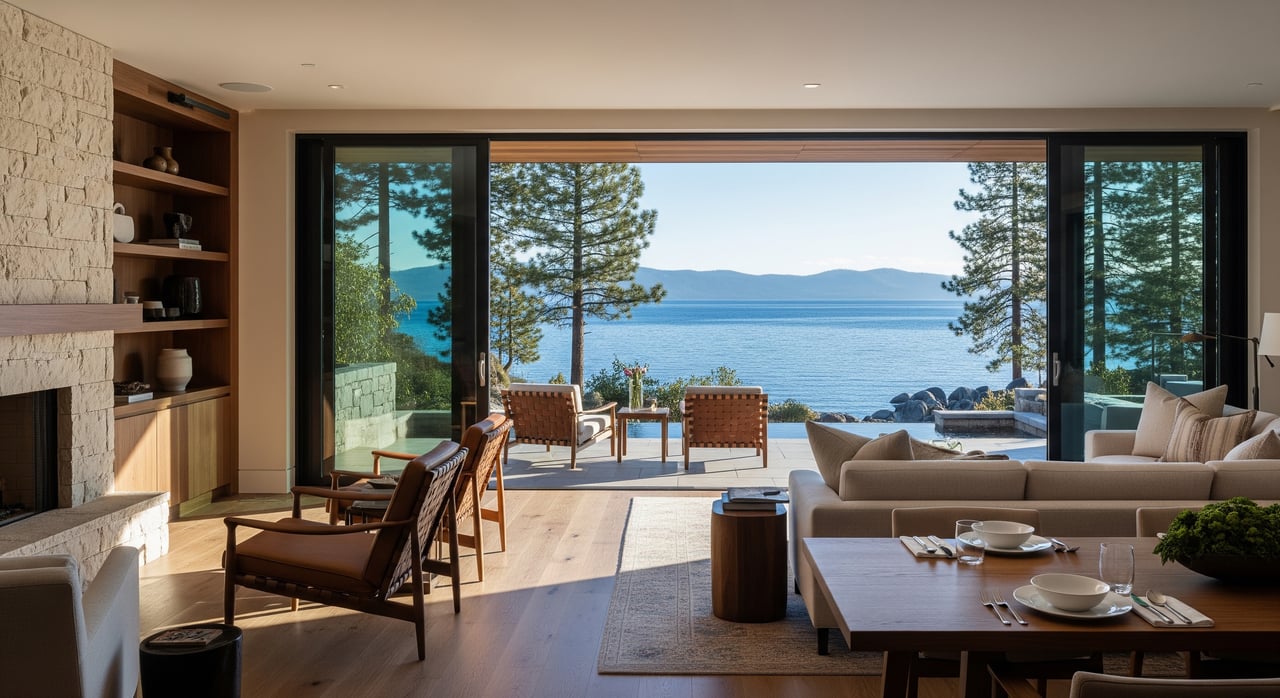
You want more time in North Lake Tahoe without the full cost and upkeep of a whole condo. That is why deeded fractional ownership at Sweetbriar in Kings Beach often catches your eye. You get real property ownership, planned weeks on the water, and professional management at a lower entry cost. In this guide, you will learn how the structure works, how scheduling is set, what HOA dues cover, how financing and taxes apply, and the questions to ask before you buy. Let’s dive in.
A deeded fractional gives you a legal, pro rata interest in a specific Sweetbriar residence. You are on title for an undivided fractional interest, not just a right to use certain weeks. Your share and usage rights are defined in recorded documents such as the declaration and CC&Rs.
Deeded fractionals differ from timeshares. A traditional timeshare usually grants only a right to use set weeks. A fractional interest is deeded real property that you can sell or finance, subject to any project rules. Compared with whole ownership, you share costs and access under a set plan rather than carrying all expenses yourself.
In California, common interest developments operate under statutes often known as the Davis‑Stirling Act. You will want to confirm that the recorded declaration, CC&Rs, and any operating agreement align with those rules and with local regulations for Kings Beach.
Every boutique development sets a scheduling plan. At Sweetbriar, you should expect one of a few standard models:
Booking rules usually define advance windows, guest policies, and any late‑cancellation penalties. A property manager often handles reservations, housekeeping, and on‑site services for owners and permitted guests.
Your HOA dues typically fund exterior maintenance, common areas, landscaping, snow removal, common utilities, and the master insurance on shared elements. You pay your share of HOA dues, property taxes, and any special assessments based on your ownership percentage. Interior utilities or contents coverage may be your responsibility if not covered by the declaration.
Ask to review the HOA’s reserve study and funding plan. In a small, boutique community, underfunded reserves can have an outsized impact on each owner. Confirm the operating budget items that affect your bottom line, such as management fees, housekeeping, linens and furnishings replacement, and any seasonal surcharges.
Expect a master policy for common elements and shared structures. As an owner, you may need a separate policy for interior contents and personal liability during your use periods. Verify the association’s coverage limits, deductibles, and whether loss assessments can pass through to owners.
If rentals are allowed, confirm what policies are required to cover rental liability. Clarify whether the association carries any commercial or business interruption coverage if it manages rental activity for revenue.
Not all lenders finance fractional interests. Portfolio lenders and local banks or credit unions that keep loans in‑house are the most likely to offer options. Down payments can be higher, often 25 to 40 percent or more. Because fractional resales are rarer, appraisals may face limited comparable sales, so keep your appraisal contingency intact if you finance.
For property taxes, the county assessor values the real property and costs are allocated pro rata to fractional owners. If you rent your weeks, report rental income and eligible expenses. If you do not rent, mortgage interest and property taxes may be deductible subject to usual IRS limits, typically applied to your ownership share. A CPA with vacation‑property experience can help you model deductions and plan for potential capital gains when you sell your share.
Fractional resales often have a smaller buyer pool than whole‑unit condos. While the absolute price of a share is lower, price per use week or per square foot can be relatively high once you factor in dues and constraints. Liquidity can take longer, so marketing should target second‑home buyers who want turnkey access at a lower entry cost.
Before you buy, check the transfer rules. Some fractional projects use a Right of First Refusal, require transfer fees, or need HOA approval before a sale closes. Confirm any buy‑back provisions, how voting rights are allocated, and how outstanding dues or assessments are handled at transfer. An organized file with occupancy schedules, financials, and previous sale references helps appraisers and future buyers.
Request these items from the seller, developer, or HOA:
Also verify:
You can make a clear comparison by modeling 5 to 10 years of costs and use:
North Lake Tahoe’s seasonality drives peak demand for summer and winter weeks. That can affect booking priority and operational costs, including snow removal and winter maintenance. Confirm current rules for short‑term rentals and any tourist tax obligations with Placer County before you plan to rent your weeks.
Lakefront and shoreline areas in Tahoe can be subject to regional planning rules and local ordinances that affect docks, beach access, and exterior work. If you anticipate changes or improvements, verify requirements with the appropriate county and regional authorities for this parcel.
Because fractional purchases involve more documents and scheduling details, assemble the right team early:
If you want real ownership with predictable time at the lake and shared costs, a Sweetbriar fractional can be a smart path. You get a deeded interest, professional management, and access aligned to realistic use. If you aim for complete control, frequent long stays, or rapid resale, a whole condo may suit you better.
You do not have to sort this out alone. For clear guidance on Sweetbriar documents, scheduling norms, HOA health, and resale history, connect with a local expert who lives this market every day. Schedule a Free Strategy Session with the team at Tilly Mezger Tahoe Truckee Real Estate Group.

We are a renowned real estate team dedicated to providing exceptional service and unparalleled excellence in representing Lake Tahoe properties. Our foundation is built on expertise, unwavering commitment, and a focus on client satisfaction.