Northstar Condos Versus Townhomes For Second-Home Buyers
Eyeing a place at Northstar but not sure whether a condo or a townhome fits you best? You are not alone. Second-home buyers often balance ease of ownership, rental potential, and total cost of care. In this guide, you will see how Northstar condos and townhomes compare on HOA coverage, maintenance, short-term rentals, financing, and insurance so you can move forward with confidence. Let’s dive in.
In California, many “condos” and “townhomes” live inside the same legal framework for common-interest communities. The real difference you feel is the split of maintenance responsibilities, which is set by the HOA’s CC&Rs and budget. The Davis–Stirling Act explains how these associations are organized and why you should rely on the recorded documents for specifics. You can review the legal backdrop in the state’s guidance on the regulation of California HOAs.
At Northstar, “village” and “village-adjacent” units highlight walkable access to lifts, dining, and events. Many owners value the convenience and the strong guest appeal that comes with it. Village and nearby buildings often note shuttle service, ski lockers, and access to the NPOA Recreation Center, which publishes current operations and usage details.
Northstar condo HOAs commonly include exterior maintenance, roof and building shell care, snow removal, trash, some utilities, and common-area insurance. Many also include access to recreation amenities and shuttle service, which adds to a true lock-and-leave feel. Guest access to amenities can carry per-person fees that vary by season and policy, so confirm specifics with the project documents and the NPOA Recreation Center.
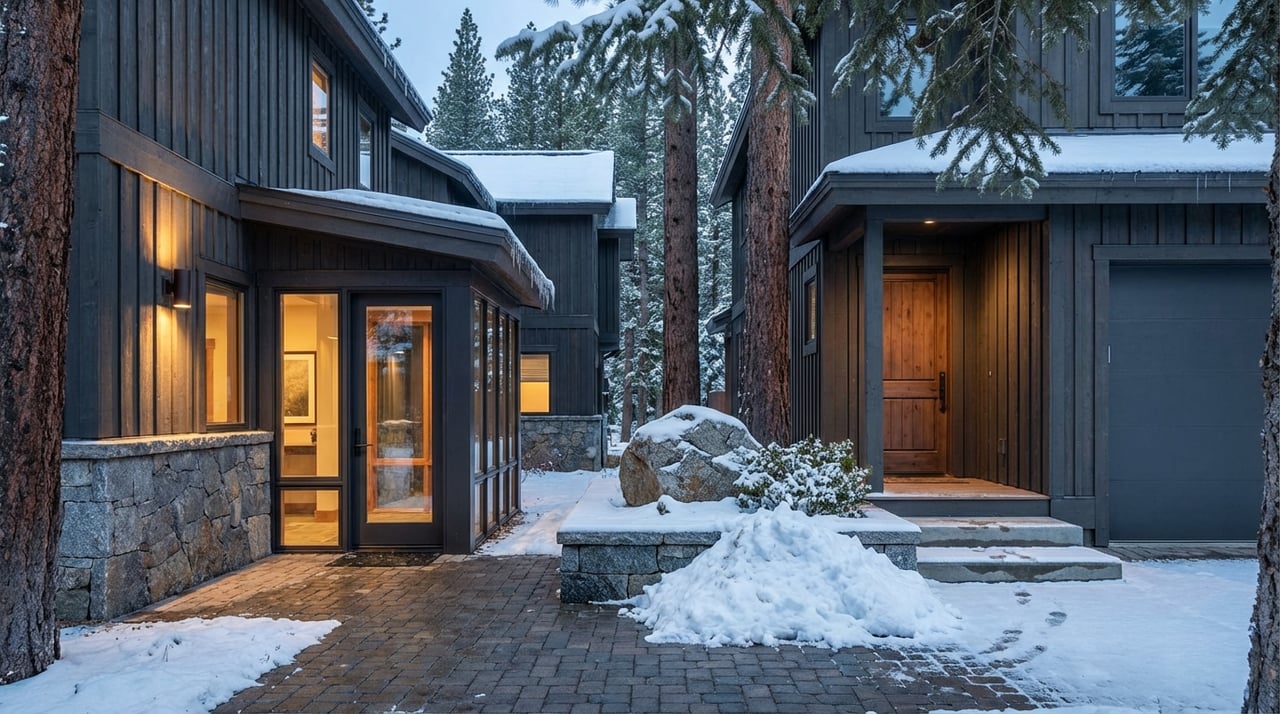
Townhomes at or near Northstar usually offer more space, private entries, and often a garage. In some projects, owners handle more of the exterior care, such as roof, siding, or private drive maintenance. HOA dues can be lower as a result, but your out-of-pocket for exterior items may be higher over time. The exact split lives in the CC&Rs, so rely on those documents rather than assumptions, and use the Davis–Stirling HOA framework as your guide.
Recent Northstar listing snapshots show wide ranges based on location, size, and amenities. Village studios have traded around the high $200Ks with HOA fees that can land near the mid to high hundreds per month. One to two bedroom condos off-village often show HOA dues in the mid hundreds per month and pricing in the mid six figures. Newer or slopeside village residences and penthouse-style units can reach seven figures, with HOA dues and demand that reflect premium access. Always verify current pricing and dues for the specific building you are considering.
Key value drivers to watch:
If you plan to rent, Placer County requires a short-term rental permit and a Transient Occupancy Tax registration. The county enforces operational standards, inspections, and a permit cap in Eastern Placer that can affect your ability to operate. Always check the county’s STR ordinance and confirm current permit availability and rules through the Placer County STR code.
Short-term rentals in Eastern Placer are subject to a 10% Transient Occupancy Tax, with additional TBID assessments that may apply by zone. Many platforms do not remit for you, so plan to register and file directly. Review the official rate and guidance on the Placer County TOT page.
Village-adjacent units often capture stronger per-night demand because of lift and dining access. Local property managers market to both winter and summer guests and can provide performance comps and turnkey service. For a sense of local operations and services, explore a regional manager like SkyRun Northstar. Factor in guest parking, quiet hours, bear-resistant trash, and seasonal amenity schedules, which vary and are noted by the NPOA Recreation Center.
Lenders price and approve second-home loans differently from investment properties. Conventional second-home financing often starts around 10% down, with higher reserves, while investment-property loans usually require more down and tighter documentation. Lender overlays in resort markets can apply, and relying on rental income may change your loan type. For a consumer overview, see this guide to buying a second home and confirm requirements early with your lender, such as those noted by Chase.
California property tax typically starts near 1% of assessed value, plus voter-approved bonds and local assessments. In Tahoe-area Placer County, those extras can push the effective rate higher. Ask for the parcel’s APN and full tax breakdown before you write an offer. For general context, review the county’s property tax FAQ. If you rent, remember to handle TOT and TBID filings noted earlier.
Standard homeowner policies often exclude business use, which includes STR activity, so you may need specific short-term rental coverage or a vacation-rental policy. Learn the basics of short-term rental coverage and confirm that your insurer allows STRs at the address. In high wildfire exposure areas, availability and pricing can vary, and the California market continues to evolve. For context on changing guidance and claims handling, see this overview of state insurance updates from McGonigle Law. Plan for defensible space and potential underwriting requirements.
A condo may be the better fit if you value simplicity. Many associations handle exterior upkeep, snow removal, and common-area insurance. You get a lock-and-leave setup and quick access to the Village or shuttle service, which also helps with guest stays.
A townhome often delivers more bedrooms, private entries, and a garage for gear. You may take on more exterior care and budgeting for roof or siding, but the living experience can suit multigenerational trips and longer stays.
Village and slopeside condos tend to command strong per-night demand because of walkability. That said, the STR permit cap, safety inspections, and tax compliance add complexity. Run a net income model that includes HOA dues, TOT/TBID, cleaning, utilities, and management fees, then compare across two or three buildings before you decide.
Ready to compare specific Northstar buildings and get a clear action plan? Schedule a conversation with the local team that blends luxury expertise with hands-on market insight. Reach out to Tilly Mezger Tahoe Truckee Real Estate Group to align the right property type with your goals.
We are a renowned real estate team dedicated to providing exceptional service and unparalleled excellence in representing Lake Tahoe properties. Our foundation is built on expertise, unwavering commitment, and a focus on client satisfaction.