The Meadows Truckee Equestrian Property Buying Guide
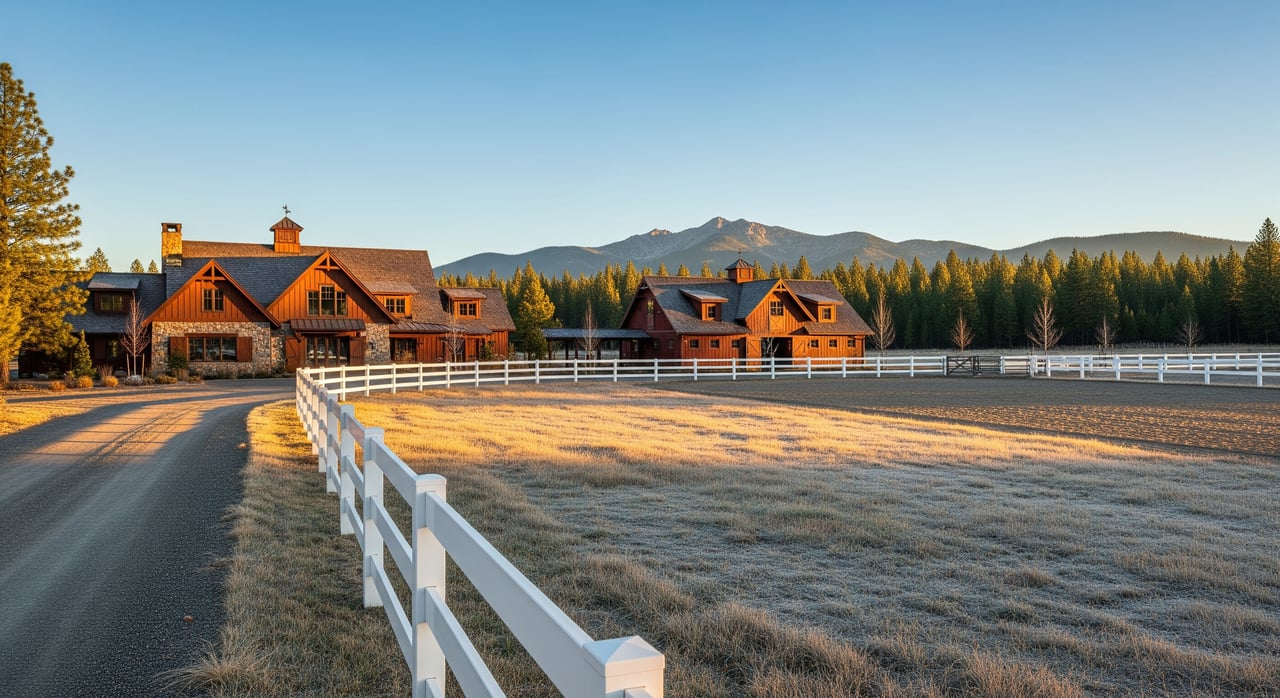
Dreaming of riding from your backyard with Truckee’s peaks in view? If you are exploring equestrian‑capable property in The Meadows or Buckhorn Ridge, the opportunity is real, but the details matter. From zoning and CC&Rs to wells, arenas, snow access, and wildfire insurance, a little due diligence protects your time and budget. This guide gives you the local steps, checklists, and official resources you need to buy with confidence. Let’s dive in.
Before you fall in love with a parcel, confirm the rules that apply to that specific property. Parcels in The Meadows and Buckhorn Ridge can fall under either the Town of Truckee or unincorporated Nevada County. Zoning, animal allowances, setbacks, and permits differ by jurisdiction.
Helpful contacts:
Tip: Schedule a quick planning counter call early. A 15‑minute discussion can clarify whether your vision for stalls, a small arena, or a future accessory building fits the rules.
The right property balances usable acreage, drainage, winter access, and space for the improvements you want. Walk the site with a practical eye.
Usable acreage is what counts, not just the total lot size. Steeper slopes, wetlands, setbacks, and easements reduce where you can pasture or build. As a general guide, many owners plan 1 to 2 acres per horse for grazing and then supplement with hay. If you want turnout and a riding area, planning for 2 or more acres per horse is comfortable. Add space for an arena if that is a priority.
Soils and drainage matter. Poorly drained soils create mud and hoof issues and make arenas costly to maintain. Ask for any soils, perc, or geotechnical reports, especially if you plan to build or improve an arena.
Truckee winters are real. Confirm road maintenance responsibility, snow removal plans, and trailer access. Look at driveway grade, turning radius, and whether you need an encroachment permit to widen an entrance. Safe year‑round access for horse trailers and emergency vehicles is essential.
Horses typically need about 5 to 15 gallons of water per day depending on activity. Confirm your water source and capacity.
Many rural parcels rely on onsite septic. If you plan any barn restroom or wash facilities, expect to confirm septic capacity or design a new system. Setbacks from wells, streams, and property lines are regulated. Keep manure and runoff away from water sources. The county keeps records and can advise on requirements through Nevada County Environmental Health.
Well‑designed facilities make daily care easier and safer. Plan structures with permits, drainage, and neighbor considerations in mind.
Most barns, hay buildings, covered arenas, and multi‑use structures require permits. Expect structural, electrical, and plumbing review when applicable. Arena grading often triggers a grading permit and erosion control measures. Some subdivisions require architectural review for new structures.
Match the arena to your discipline and site. Common outdoor sizes include 60 by 120 feet for compact training, 70 by 140 feet for general riding, and up to 100 by 200 feet for jumping or multiple riders. Good arenas start with a stable base, drainage, geotextile where needed, and a suitable top mix such as sand or fiber blends. In Truckee’s climate, plan for drainage that handles snowmelt and heavy summer storms.
A practical barn plan usually includes stalls, a tack room, feed and hay storage, a wash rack, and space for equipment. Separate hay storage, good ventilation, and clear access lanes reduce fire risk and improve daily workflow. If you add hot water, heated waterers, or a restroom, plan for adequate power and septic, and confirm permit scope with your jurisdiction.
Fencing styles range from wood rail and vinyl to pipe, no‑climb wire, and electric tape. HOAs or CC&Rs may specify styles and heights. Place gates and alleys for safe handling, and consider non‑slip surfaces near barn doors and wash racks. If you are near a public road, confirm any setback or sightline rules before you build.
Expect one adult horse to produce roughly 15 to 25 pounds of manure per day. Size your covered bins or compost bays for your herd and design the pad to prevent runoff. Properties near streams or sensitive watersheds may face stricter controls, so review guidance from the Lahontan Regional Water Quality Control Board.
Trail access is a major lifestyle benefit in Truckee. Your parcel may be close to public lands or community trails, but always verify permitted uses and seasonal rules for stock.
Ask the seller about nearby legal trailheads that support horse trailer parking. Confirm access rights or trail easements on the title report, and scout safe trailer staging areas.
Truckee sits in a high wildfire‑risk environment. Planning for defensible space, building materials, and insurance early will save time and money.
California law requires defensible space around structures, and local fire agencies enforce standards. Create fuel‑reduced zones, remove flammable debris, and consider fire‑resistant materials and ember‑resistant vents. Review best practices with CAL FIRE guidance.
High wildfire risk can affect availability and pricing. Ask the seller for current carrier, coverage details, and premiums. Contact insurers early, especially if you have multiple structures or a large barn. Home hardening and documented defensible space can help with underwriting. If you cannot secure a traditional policy, the California FAIR Plan may be a last‑resort option, often paired with a supplemental policy for broader coverage.
Confirm fire apparatus access, driveway width, and turnaround capabilities. If you are not on a hydrant system, consider a cistern with appropriate fittings for fire department use. Map evacuation routes and keep halters, lead ropes, and trailer gear staged for quick loading.
Use these quick lists to stay organized from first tour through move‑in.
Buying an equestrian‑ready property in The Meadows or Buckhorn Ridge is about more than acreage. It is about picking the right parcel, understanding permits and CC&Rs, and designing a safe, efficient setup for you and your horses. If you want a trusted guide with deep Truckee expertise and a high‑touch approach, connect with the Tilly Mezger Tahoe Truckee Real Estate Group. Schedule a Free Strategy Session and start your plan today.
We are a renowned real estate team dedicated to providing exceptional service and unparalleled excellence in representing Lake Tahoe properties. Our foundation is built on expertise, unwavering commitment, and a focus on client satisfaction.