Understanding Truckee Relocation Housing Costs
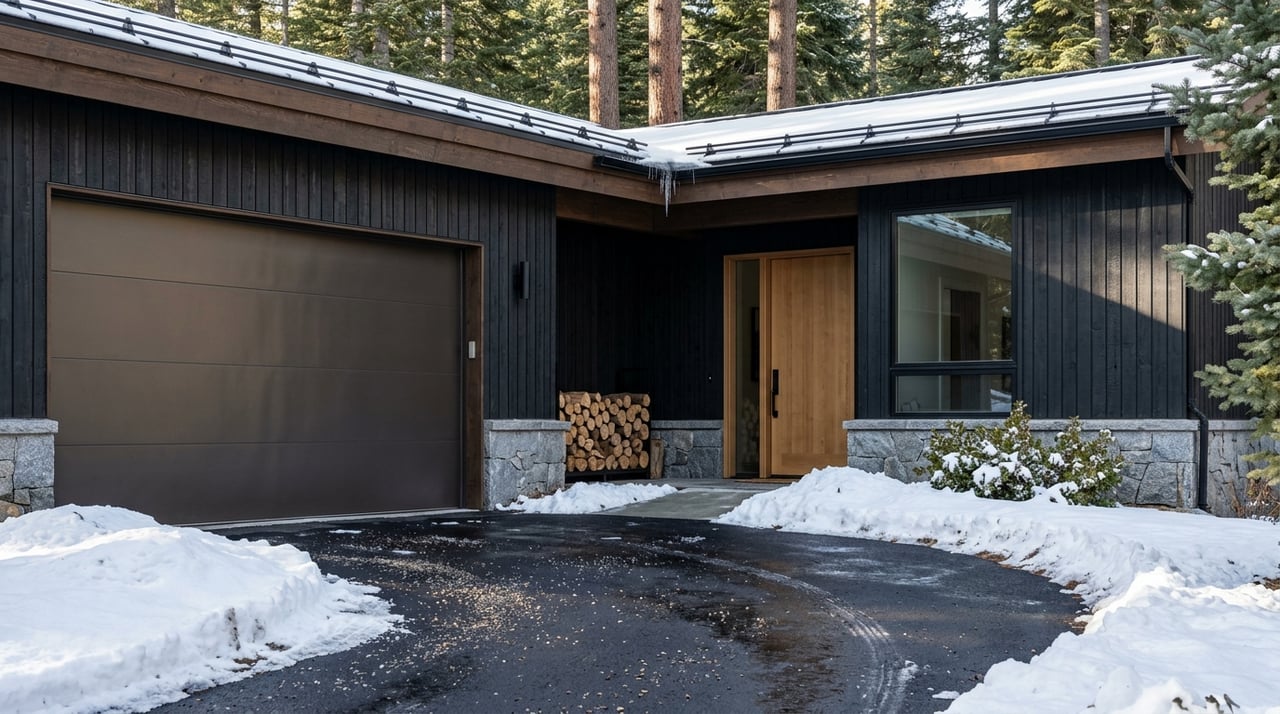
If you are dreaming about full-time life in Truckee, the mortgage payment is only part of the story. Living here year-round can be rewarding, but mountain living comes with a set of ongoing costs that look different from what you might expect in a lower-elevation town. This guide breaks down the major expenses, from housing and utilities to winter access and wildfire prep, so you can budget with more confidence. Let’s dive in.
Housing sets the baseline for what year-round living in Truckee really costs. Public market trackers vary by methodology, but they all point to the same conclusion: Truckee is an expensive market.
In March 2026, Redfin reported a median sale price of $805,000 in Truckee. Zillow reported a March 2026 median sale price of $1,039,167 and an average home value of $1,010,467. The Town of Truckee’s 2025/26 property-tax review showed a detached single-family median sales price of $1,087,000 through September 2025.
That spread matters because it shows why broad townwide numbers can be misleading. In Truckee, your actual costs can change a lot based on property type, neighborhood, lot conditions, and whether the home is part of an amenity-based community.
Condos are not necessarily a low-cost shortcut. Redfin’s Truckee condo page showed a median listing price of $799,000 in spring 2026, which still represents a significant entry point for many buyers.
A year-round budget in Truckee often looks very different depending on the home you choose. A detached home may give you more space and privacy, but it can also mean more exposure to snow removal, roof maintenance, and vegetation management.
A condo or townhome may reduce some exterior maintenance, but you may trade that for monthly or annual HOA costs. In amenity-focused communities, those fees can be meaningful and should be evaluated alongside the purchase price.
This is one reason local property-by-property analysis matters so much. Two homes with similar prices can have very different monthly carrying costs once you account for taxes, utilities, and maintenance obligations.
In Nevada County, property taxes are due in two installments. Bills are mailed in October, with the first installment due November 1 and a grace period to December 10. The second installment is due February 1 with a grace period to April 10.
California’s Proposition 13 is also an important part of the picture. Under Prop 13, the assessed base-year value can increase by no more than 2% per year.
As a simple illustration, 1% of the Town of Truckee’s detached-home median sales price of $1,087,000 is about $10,870 per year. That works out to about $905.83 per month before local assessments and direct charges.
That number is not a quote for any specific property. It is a useful budgeting example that shows how quickly taxes can become one of the largest fixed housing expenses in Truckee.
If you buy in a planned community, HOA costs can become another major line item. Tahoe Donner offers a clear benchmark for what an amenity-rich community can cost.
Its 2026 annual assessment is $3,621, which works out to about $301.75 per month. The 2026 package includes up to four Member ID cards with no separate Rec Fee or daily access fee for members.
Not every Truckee neighborhood has the same structure or fee schedule, but this example gives you a realistic sense of scale. If you are comparing neighborhoods, HOA obligations should be reviewed just as carefully as the list price.
Utilities in Truckee deserve close attention, especially if you are moving from a milder climate. Water, electricity, and solid waste all add up, and some of these costs are rising.
TDPUD says its water rates will rise 6.5% annually from 2026 to 2030. An average bill of $115 per month in 2025 becomes about $122 in 2026 and about $130 in 2027.
TDPUD also notes that roughly 85% of a water bill is a fixed charge. Higher elevations can pay more through pump zones, which means location within Truckee can affect what you owe even if your usage stays modest.
For example, a sample residential bill in Pump Zone 2 using 3,000 gallons per month rises from $110.14 to $117.02 in 2026. That is a helpful reminder that utility planning here is not just about consumption. It is also about the infrastructure needed to serve mountain terrain.
Electricity is another area where year-round residents may feel the difference. TDPUD says the 2026 and 2027 electric rate increases average 5%, and for most residential customers using 800 kWh, that means about $10 more per month.
Winter heating is a major driver of energy use. In practical terms, your electric bill can move higher during cold months, especially if your home is larger or less energy efficient.
Trash and recycling should also be part of your monthly planning. The Town of Truckee’s 2025-2026 residential solid-waste fee is $464.40 per year on the property-tax roll plus a $50.88 administrative fee.
That equals about $42.94 per month. Homes with extra cans or added services can pay more, so household size and service needs matter here too.
One helpful way to think about Truckee costs is to separate the purchase price from the carrying costs. Even before you factor in mortgage payments, insurance, repairs, or seasonal services, the monthly baseline can be substantial.
Using the illustrative property-tax example of about $905.83 per month, Tahoe Donner’s HOA assessment of about $301.75 per month, Truckee solid waste of about $42.94 per month, and average 2026 water costs of about $122 per month, you are already at roughly $1,372.52 per month.
That is a useful back-of-the-envelope floor for an amenity-heavy HOA home. It does not include electricity usage, insurance, snow removal, maintenance, or repairs.
One of the biggest differences between living in Truckee full time and visiting on weekends is that winter is not an occasional inconvenience. It shapes your routine, your budget, and your planning.
The Town of Truckee has a winter parking ban from November 1 through April 30. The town does not provide private snow removal, and homeowners are responsible for clearing driveway berms.
Plow crews prioritize emergency access, arterial roads, school bus routes, and then residential streets. Plowing is generally triggered at about 4 inches of accumulation or more.
That means you should expect real costs related to driveway access and storm response. Depending on your property, snow management may involve equipment, regular service, or added time and labor throughout the season.
Travel planning in Truckee also costs more than many people first assume. Caltrans says chain-control conditions can change quickly in mountain weather, and on I-80 over Donner Pass, drivers may face R-1, R-2, or R-3 chain requirements.
Even if you drive a 4WD or snow-tire vehicle, you must still carry chains when entering chain-control areas. Caltrans also notes that the speed limit when chains are required is 25 or 30 mph.
The practical takeaway is simple: living in Truckee often requires snow-ready vehicles, winter equipment, and more flexible travel timing. A short distance on the map can still mean extra planning and added costs during storms.
Truckee living also comes with year-round wildfire responsibilities. California Public Resource Code 4291 requires 100 feet of defensible space around structures, and Nevada County says preparing a home for fire season is a year-round effort.
That means your budget should include vegetation management, ongoing yard work, and seasonal exterior upkeep. Depending on the property, you may also need to plan for roof and gutter maintenance as part of reducing debris and supporting safer conditions around the home.
For many buyers, this is one of the most overlooked parts of the cost picture. In Truckee, the true cost of ownership is not just what you pay each month to keep the lights on. It is also what you spend to keep the property accessible, maintained, and ready for changing conditions.
Access matters in a mountain market. The Truckee Tahoe Airport District describes KTRK as a public regional general aviation airport at about 5,900 feet, while Reno-Tahoe International serves as the region’s commercial airport.
If you travel often for work or split time between homes, weather and transportation planning become part of your regular cost and time equation. Road conditions can change quickly, and the Town of Truckee advises snow tires or chains and extra travel time during dangerous conditions.
For remote professionals, second-home owners transitioning to full-time use, and relocating buyers, that often means building more flexibility into your schedule. In Truckee, access is about more than mileage. It is about weather windows, vehicle readiness, and realistic expectations.
If you are considering year-round living in Truckee, it helps to think in layers. Start with the purchase price, then add taxes, HOA fees if applicable, water, electricity, and waste service.
After that, account for the mountain-specific costs that are easy to miss at first glance. These can include snow removal, berm clearing, chains or winter tires, and ongoing defensible-space work around the property.
When you budget this way, you get a much clearer picture of what full-time ownership really feels like. You can also compare neighborhoods and property types more accurately, which is especially important in a market where two homes at similar price points may carry very different long-term costs.
If you want help comparing neighborhoods, weighing property types, or understanding what ownership costs may look like for a specific Truckee home, Tilly Mezger Tahoe Truckee Real Estate Group can help you build a strategy that fits how you plan to live.
We are a renowned real estate team dedicated to providing exceptional service and unparalleled excellence in representing Lake Tahoe properties. Our foundation is built on expertise, unwavering commitment, and a focus on client satisfaction.